
Expert Vehicle Maintenance and Repairs You Can Trust
Maintaining your vehicle is not just about keeping it running; it's about ensuring safety, reliability, and longevity. With the right knowledge and practices, you can keep your car in top shape and avoid costly repairs down the line. This guide will walk you through essential vehicle maintenance and repair tips that you can trust, ensuring your car remains a dependable companion on the road.
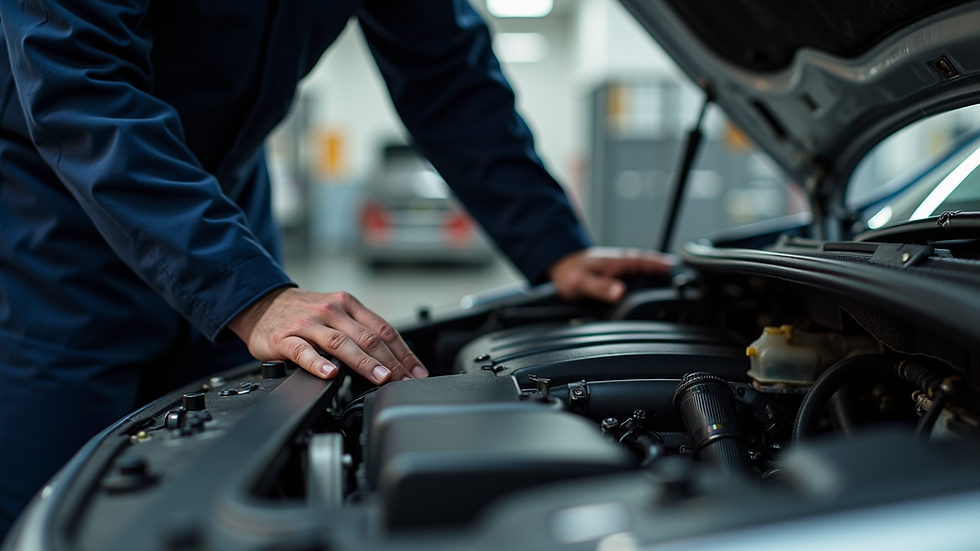
Understanding the Importance of Regular Maintenance
Regular vehicle maintenance is crucial for several reasons:
Safety: A well-maintained vehicle is safer to drive. Regular checks can prevent accidents caused by mechanical failures.
Cost-Effectiveness: Preventative maintenance can save you money in the long run by avoiding major repairs.
Resale Value: A car with a documented maintenance history retains its value better than one without.
Key Maintenance Tasks
Here are some essential maintenance tasks every vehicle owner should prioritize:
Oil Changes
Regular oil changes are vital for engine health. Depending on your vehicle, you should change the oil every 3,000 to 7,500 miles. Always refer to your owner’s manual for specific recommendations.
Tire Care
Check tire pressure monthly and rotate your tires every 5,000 to 7,500 miles. Properly inflated and rotated tires improve fuel efficiency and extend tire life.
Brake Inspections
Your brakes are critical for safety. Have them inspected regularly, and replace brake pads when they show signs of wear.
Battery Maintenance
Check your battery terminals for corrosion and ensure a secure connection. Most batteries last about three to five years, so keep an eye on their age.
Fluid Levels
Regularly check and top off essential fluids, including coolant, brake fluid, transmission fluid, and windshield washer fluid.
Common Repairs and How to Handle Them
Even with regular maintenance, repairs are sometimes necessary. Here are some common vehicle issues and how to address them:
Engine Problems
If your engine is making unusual noises or the check engine light is on, it’s time to investigate. Common causes include:
Faulty Spark Plugs: Replace spark plugs every 30,000 miles to ensure optimal engine performance.
Oil Leaks: Look for oil spots where you park. If you notice leaks, consult a mechanic immediately.
Transmission Issues
Transmission problems can be costly if not addressed promptly. Signs include:
Slipping Gears: If your car unexpectedly changes gears, it may indicate a transmission issue.
Fluid Leaks: Transmission fluid is typically red. If you see red spots under your car, have it checked.
Electrical System Failures
Electrical issues can manifest in various ways, such as:
Dead Battery: If your car won’t start, check the battery first. Jump-starting may help, but consider replacing an old battery.
Faulty Alternator: If your battery keeps dying, the alternator may not be charging it properly.
Choosing the Right Mechanic
Finding a trustworthy mechanic is crucial for your vehicle's health. Here are some tips to help you choose wisely:
Ask for Recommendations: Talk to friends, family, or coworkers for referrals.
Check Reviews: Look for online reviews and ratings on platforms like Google or Yelp.
Visit the Shop: A clean, organized shop is often a good sign of professionalism.
Questions to Ask Your Mechanic
Before committing to a repair, ask your mechanic the following:
What is the estimated cost of the repair?
How long will it take?
Can you provide a written estimate?
DIY Maintenance Tips
If you're handy, there are several maintenance tasks you can perform yourself. Here are a few simple ones:
Changing Your Oil
Gather your supplies: oil, oil filter, wrench, and an oil catch pan.
Warm up your engine for a few minutes to thin the oil.
Drain the old oil into the catch pan, replace the oil filter, and refill with new oil.
Replacing Air Filters
Locate the air filter housing.
Remove the old filter and clean the housing.
Insert the new filter, ensuring it fits snugly.
Seasonal Vehicle Maintenance
Different seasons bring unique challenges for vehicle maintenance. Here’s how to prepare your car for each season:
Winter Preparation
Check Antifreeze Levels: Ensure your coolant system is filled with antifreeze to prevent freezing.
Inspect Wipers: Replace wiper blades to ensure clear visibility during snow and rain.
Summer Preparation
Air Conditioning Check: Ensure your AC is functioning properly to keep you cool during hot months.
Tire Pressure: Heat can increase tire pressure, so check and adjust as necessary.
Conclusion
Regular vehicle maintenance and timely repairs are essential for keeping your car safe and reliable. By understanding the importance of maintenance, knowing how to handle common repairs, and choosing a trustworthy mechanic, you can ensure your vehicle serves you well for years to come. Remember, a little effort in maintaining your vehicle goes a long way in ensuring your safety and saving you money. Take charge of your vehicle's health today and enjoy the peace of mind that comes with it.


Comments